
Fence Washing
- Softwash cleaning for wood fences
- Low-pressure rinse to avoid warping or splintering
- Cleaning solution application for vinyl fences
- Rust stain treatment where needed
- Before-and-after photos
- Option for sealing or staining after cleaning (wood fences)

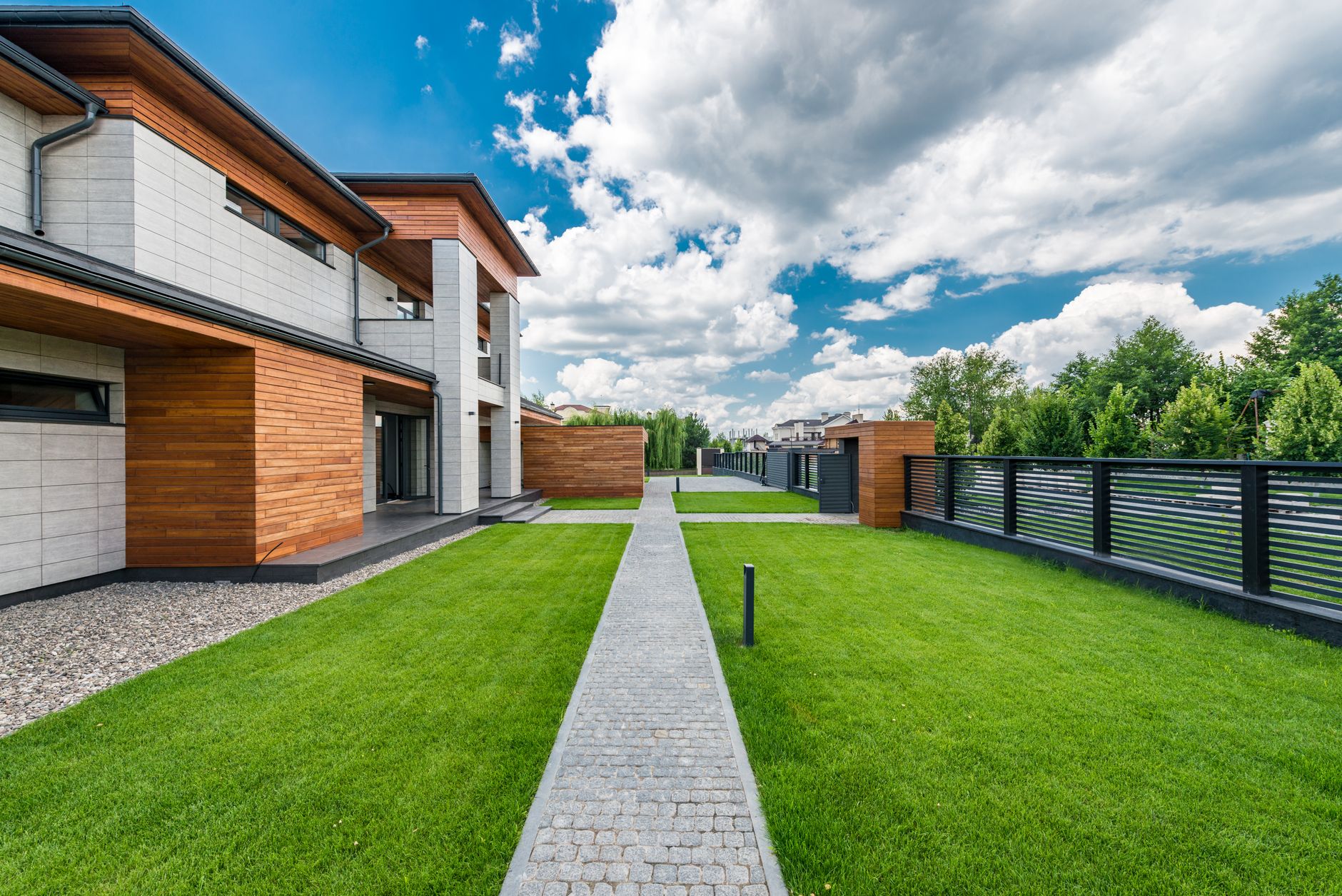


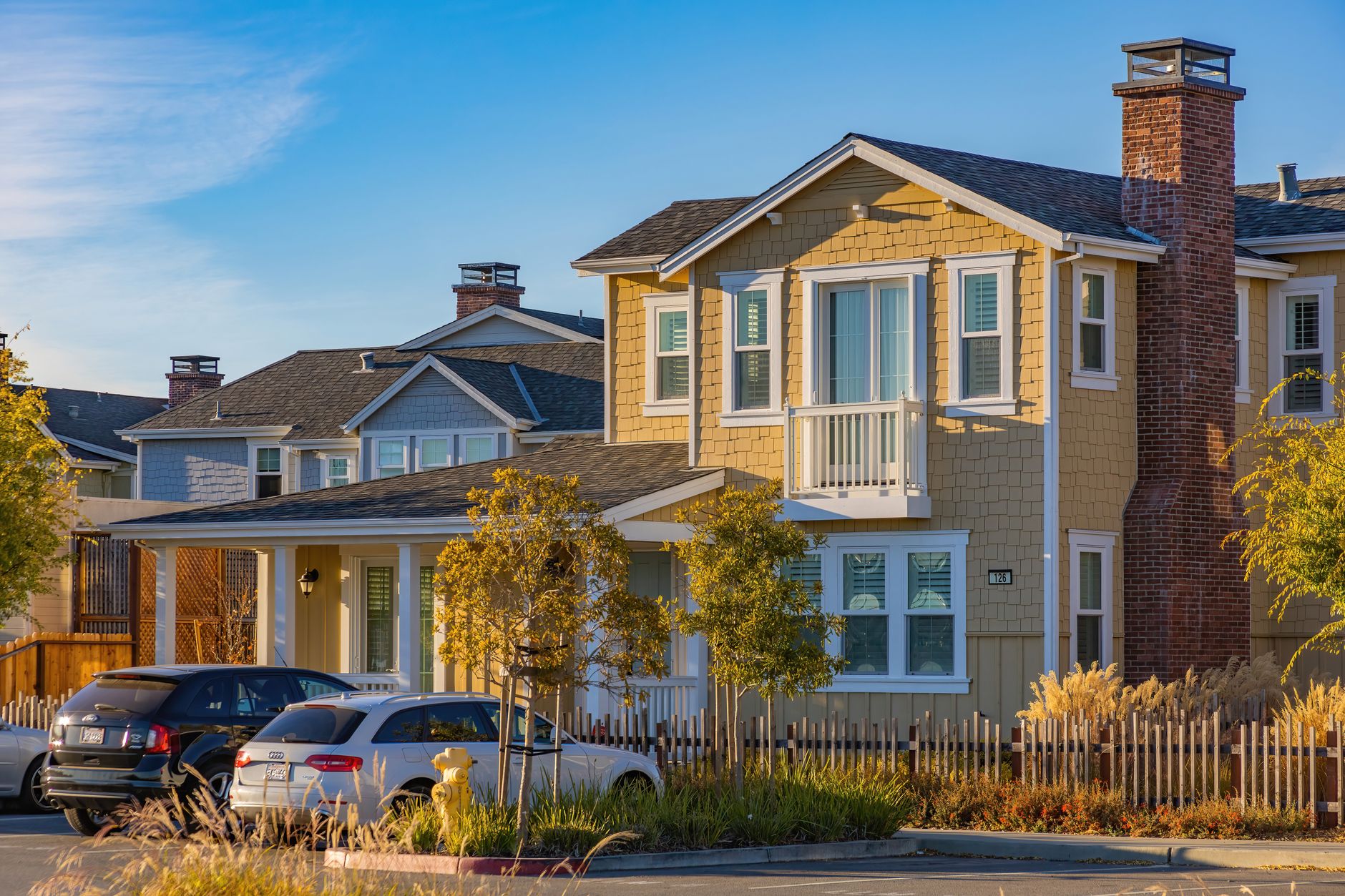
Fences across Oregon and Western Washington take the weather on both sides, so they grow algae and mildew faster than siding. AWP Exterior Cleaning softwashes wood fences with a cleaning solution, lets it sit, then rinses at low pressure. High pressure drives water into the wood and can warp or splinter boards. Cedar fences lighten up significantly after cleaning and can be sealed or stained once dry.
Vinyl fences clean easily — algae and dirt rinse right off — but older vinyl may have faded or developed a chalky surface from UV exposure. Cleaning removes the growth but won't restore the original color. Some vinyl cleaners claim to restore shine, but results vary depending on how degraded the vinyl is.
“Vinyl fences clean easily, but UV fading and chalking don't come out — cleaning removes the growth, not the sun damage.”
Chain-link and metal fences don't need much beyond a rinse unless there's rust. Rust stains on vinyl or wood from metal fence posts need an acid-based cleaner applied carefully to avoid damaging surrounding material.
Fence cleaning takes 1-3 hours depending on length and height. If you're sealing or staining a wood fence, plan for 48 hours of dry time after cleaning. Oregon and Western Washington's weather doesn't always cooperate, so Chris checks the forecast before scheduling.
AWP Exterior Cleaning handles wood fences, vinyl fences, and chain-link fences across the service area. The crew adjusts pressure and cleaning method based on the material and condition.


